
Cost to Extend Your House in 2026
Updated: January 2026 | Category: Renovation & Extensions
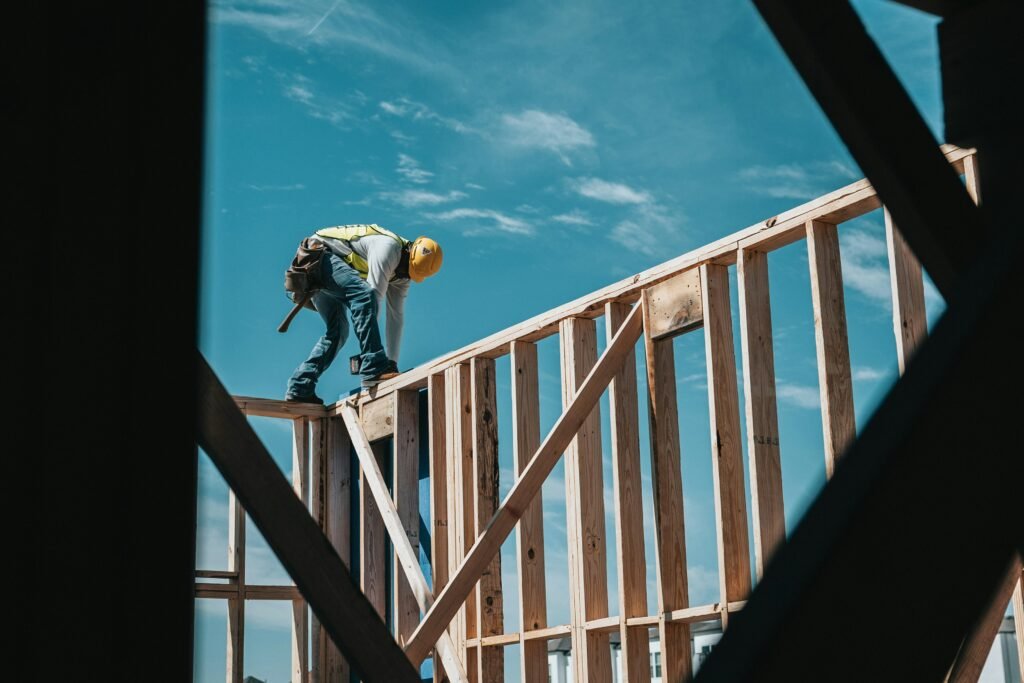
In 2026, the “move or improve” debate has shifted. With stamp duty remaining high and the cost of buying a new turnkey home surging, many Australians are choosing to extend. But be warned: Renovating in 2026 is structurally different from 2023.
The days of slapping on a rumpus room for $1,500 per square metre are gone. The “2026 Renovation Premium” is driven by two factors we cover in our HomeCost Insider’s Manual : the 7-Star “Whole-of-Home” mandate and the acute shortage of skilled trades. Builders today prefer “clean” new builds over “messy” renovations, meaning you now have to pay a premium to secure a quality team.
This guide breaks down the real costs of extending your home this year.
1. The “Big Numbers”: Cost Per Square Metre (2026)
Note: These are “Finished” costs (Design + Build + Fit-out).
Ground Floor Extension
- Budget/Volume:$3,200 – $4,200 per m²
- Standard materials, weatherboard cladding, flat block, basic inclusions.
- Custom/Architectural:$4,500 – $6,500+ per m²
- Brick veneer, articulated layout, high ceilings, custom glazing.
Second Story Addition
Adding “up” is significantly more expensive than “out” due to scaffolding, structural steel, and the risk of opening the roof.
- Standard Addition: $4,800 – $6,000 per m²
- Complex/Heritage: $6,500 – $9,000+ per m²
Wet Areas (Bathrooms & Kitchens)
Never apply a “m² rate” to wet areas. They are cost-dense.
- New Ensuite: $28,000 – $45,000
- Kitchen Extension: $40,000 – $80,000+ (depending on stone/appliances).
2. The “2026 Regulatory Tax”: Why It Costs More Now
If you last renovated five years ago, you might be shocked by the new line items in your quote. These are not builder markups; they are federal mandates.
The 7-Star “Thermal Break” Trigger
New extensions must meet the 7-Star NatHERS standard.
- The Cost: You cannot use cheap single-glazed aluminum windows in your new lounge room. You must budget for double-glazed units with thermal breaks.
- The Trap: If your extension exceeds 50% of the original floor area, some councils may force you to upgrade the existing house (e.g., retrofitting insulation or solar) to bring the whole site up to code.
Electrification & Switchboards
Gas bans in new builds are trickling down to renovations. If you are adding a modern induction cooktop and a heat pump system, your old 1980s switchboard will likely explode (metaphorically).
- The Cost: Budget $3,000 – $6,000 for a full switchboard upgrade and a potential 3-Phase power connection.
3. The “Hidden Killers” of Extension Budgets
Site Access (The “Wheelbarrow Tax”)
In a new estate, a builder can drive a concrete truck right up to the slab. In your established backyard, they might have to pump concrete over the house or hand-ball materials down a narrow side path.
- Impact: If your side access is <1.5m wide, add 10-15% to your labor costs.
Soil Surprise in Established Suburbs
You might think your ground is stable, but established suburbs often have “uncontrolled fill” from when the original house was built.
- The Risk: If your soil test comes back Class P, you may need to screw-pile the extension foundation to avoid cracking the old house. This can add $15,000+ instantly.
Asbestos & Demolition
If your home was built before 1990, the eaves, bathroom linings, or vinyl tiles likely contain asbestos.
- The Cost: A licensed removal team costs approx $150/m². You cannot DIY this.
4. Design Fees: Architect vs. Draftsperson
Before you build, you must draw.
- Draftsperson ($3,000 – $8,000): Best for simple “box on the back” extensions. They focus on permit approval.
- Architect (8% – 15% of Build Cost): Essential for second-story additions or complex layouts. They manage the “Tender Process” to help you find a builder.
- Engineer ($2,500 – $5,000): Non-negotiable. They design the steel beams that keep your second story from crushing your ground floor.
Summary: Is it worth it?
Extending is capital-intensive, but it attracts no capital gains tax (if it’s your main residence) and saves you the ~$40,000 stamp duty of moving.
The Golden Rule for 2026: Do not sign a “Cost Plus” contract for a renovation. With material prices for copper and glass still volatile, you need the security of a Fixed Price contract for the “Lock Up” stage at a minimum.
What Next?
Check Your Numbers:
Renovations are tricky. Use our Extension Calculator to input your exact dimensions, bathroom count, and finish quality (Standard vs. Premium) to get a realistic 2026 estimate.
Stop gambling on directory sites. We will source 3 fully vetted, independent quotes for your specific project.