
Plumber Cost Guide 2026: Hourly Rates & New 7-Star Rules
Updated: January 2026 | Category: Trade Costs
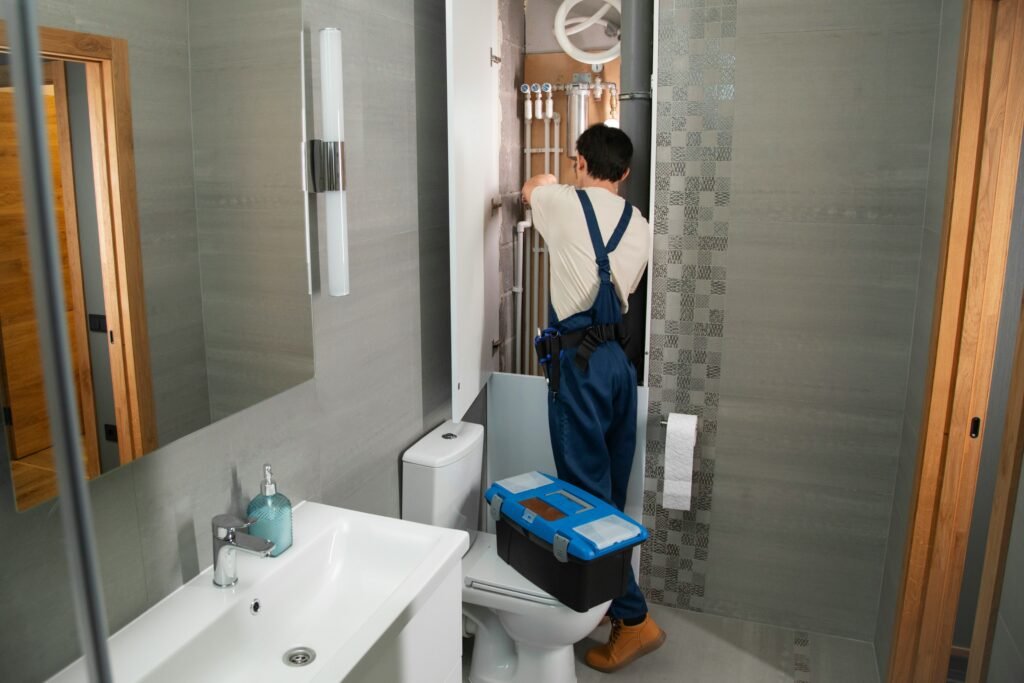
If you are Googling “plumber” in 2026, you have likely noticed one thing: getting a licensed professional to answer their phone is harder than ever. And when they do quote, the numbers are significantly higher than they were just two years ago.
In 2026, plumbing has become one of the most pressure-tested trades in the Australian construction industry. Driven by the national labor shortage of nearly 300,000 workers and the complex new NCC 7-Star “Whole-of-Home” mandates, the role of the humble plumber has evolved. They are no longer just connecting pipes; they are installing integrated heat pump systems and complex drainage for accessibility compliance.
This guide breaks down exactly what you should expect to pay for a plumber in 2026 and how to avoid the common “variation traps” on your new home or renovation.
1. How Much Do Plumbers Charge in 2026?
Note: These are “Charge-Out” rates for licensed trades, not wages. This covers their vehicle, insurance, tools, and overheads.
In 2026, the “cheap plumber” is largely a myth. With high demand, reputable trades have increased their rates to manage their capped schedules.
Service & Maintenance Rates
- Call-Out Fee: $150 – $220 (includes first 30 mins).
- Hourly Rate (Standard Hours): $130 – $180 per hour.
- Emergency / After Hours: $350 – $550 call-out.
New Build & Renovation Rates (Contract Work)
For larger projects, do not pay hourly. You need a Fixed Price Quote.
- Bathroom Rough-In & Fit-Off: $4,500 – $7,500 (Labor & standard materials, excluding fixtures).
- Whole House (2 Bath, 1 Kitchen): $22,000 – $35,000+ (highly dependent on site access).
2026 Price Driver: Copper prices have surged due to global electrification demand. If your quote is 30 days old, expect it to be re-quoted higher.
2. The “7-Star” Plumber: What Has Changed?
If you are building a new home or doing a significant extension, your plumber is now a critical part of your energy rating compliance. Under the NatHERS “Whole-of-Home” rules, your plumbing choices directly impact your star rating.
The Heat Pump Mandate
The era of cheap, gas-boosted hot water systems is ending. To meet the 2026 energy budget, most homes now require high-efficiency Heat Pumps.
- The Cost: A quality heat pump unit costs $3,500 – $5,500 supplied and installed, compared to $1,800 for old systems.
- The Skill: Ensure your plumber is experienced with these specific units. Poor installation drastically reduces their “Coefficient of Performance” (efficiency).
The “No-Step” Drainage Challenge
The NCC Livable Housing Design Standard (Silver Level) requires a step-free entry into the home.
- The Impact: This often requires your plumber to install specialized “linear drains” across the threshold to prevent water ingress. This must be planned before the slab is poured. If your plumber misses this detail during the “Base Stage,” fixing it later is a structural nightmare.
3. Hiring a Plumber: The “HomeCost” Vetting Checklist
Don’t just hire the first number you see on Google. Use this checklist to protect your project.
- Check the License (VBA/Fair Trading): Ensure they are licensed for “Gas Fitting” and “Drainage” specifically if required.
- The “Rough-In” Inspection: If you are building, check the plumbing rough-in before the slab is poured. Are the pipes in the right spot for your island bench? Moving a pipe in concrete costs thousands.
- No Verbal Quotes: As per our Contract Mastery rules, never accept a verbal estimate. Get a written quote detailing the specific brand of Hot Water Unit and pipe materials (e.g., PEX vs. Copper).
Renovation Tip: The “Switchboard Surprise”
If you are renovating to remove gas (switching to induction and heat pumps), your plumber isn’t the only cost. You will likely trigger a Switchboard Upgrade ($3,000+) to handle the new electrical load. Always talk to your sparky and plumber together.
Summary
In 2026, a plumber is an expensive but vital partner in your build. The jump in cost is driven by the “discipline over scale” approach many trades are taking to manage the labor shortage.
Do not cut corners here. A bad plumbing job is the leading cause of “slab heave” on reactive soil sites. Pay for a licensed professional who understands the 2026 NCC requirements.
Need to budget for your entire bathroom renovation? Use our Smart-Estimator Tool to calculate the real cost of tiles, waterproofing, and plumbing labor.
Stop gambling on directory sites. We will source 3 fully vetted, independent quotes for your specific project.